True Crime: Rakaia

Ever since I started writing for the Guardian and this blog, I have found myself gravitating towards the odd and unusual. If you have followed us for a while, you will remember several articles about odd photos, weird crimes and unusual occurrences involving some very unique personalities.
Many of the lives we’ve talked about have been admirable ones, however I have also touched on the lives of some less-than-savoury eccentrics such as the falsely qualified phrenologist Lio Medo, the Domain tree thieves Thomas Nolan and Jeremiah Hefferman, and more. Ashburton’s past contains a veritable rogue’s gallery of foolish petty criminals.
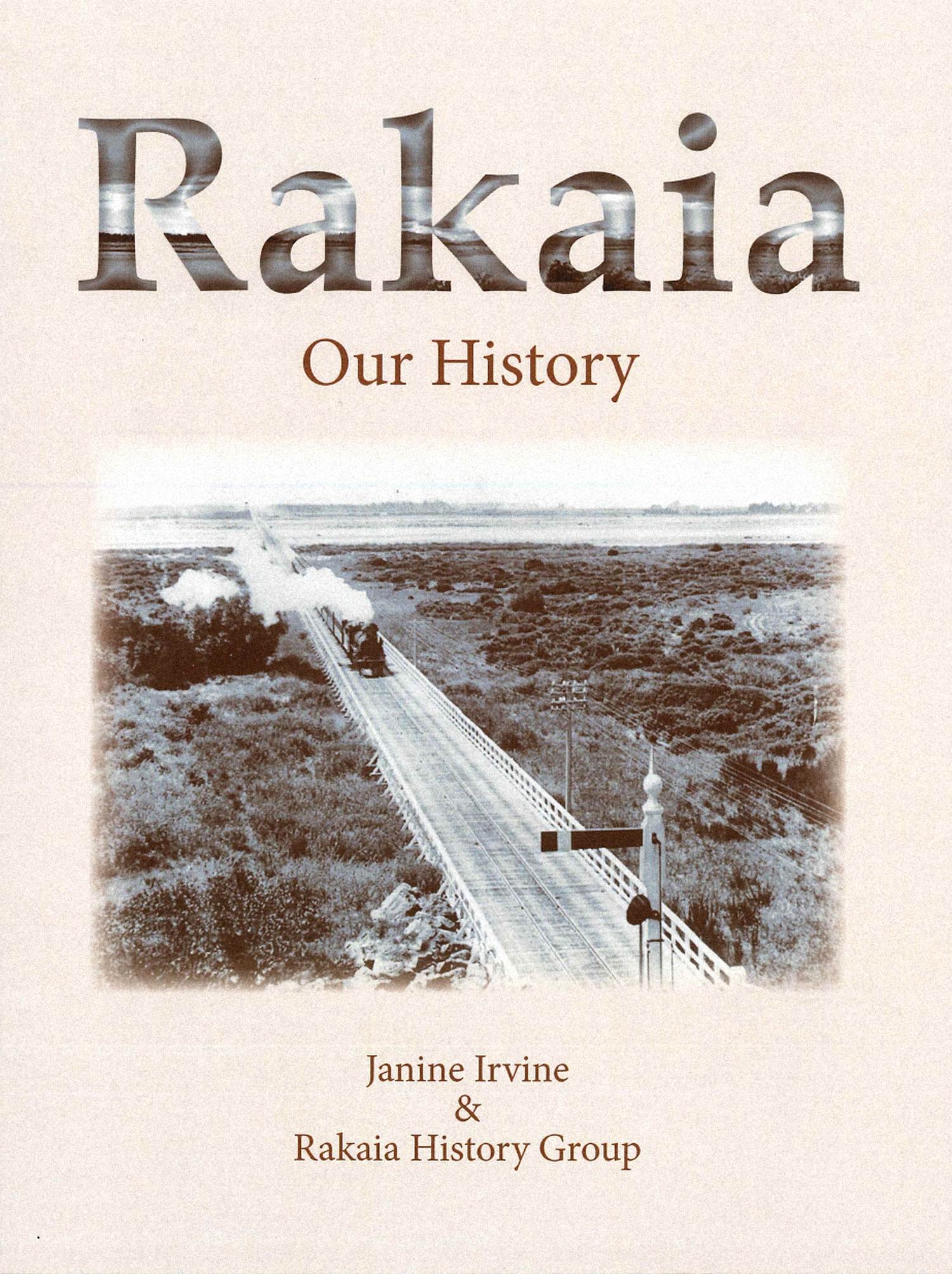
While undertaking some basic research, I was skimming through “Rakaia: Our History” by Janine Irvine and the Rakaia History Group and came across the section on the Rakaia police station, the old jail and the courthouse. As you can imagine, I caught the criminal bug once again and I decided to base this week’s post on… yet more historic criminals and cases from our own backyard.
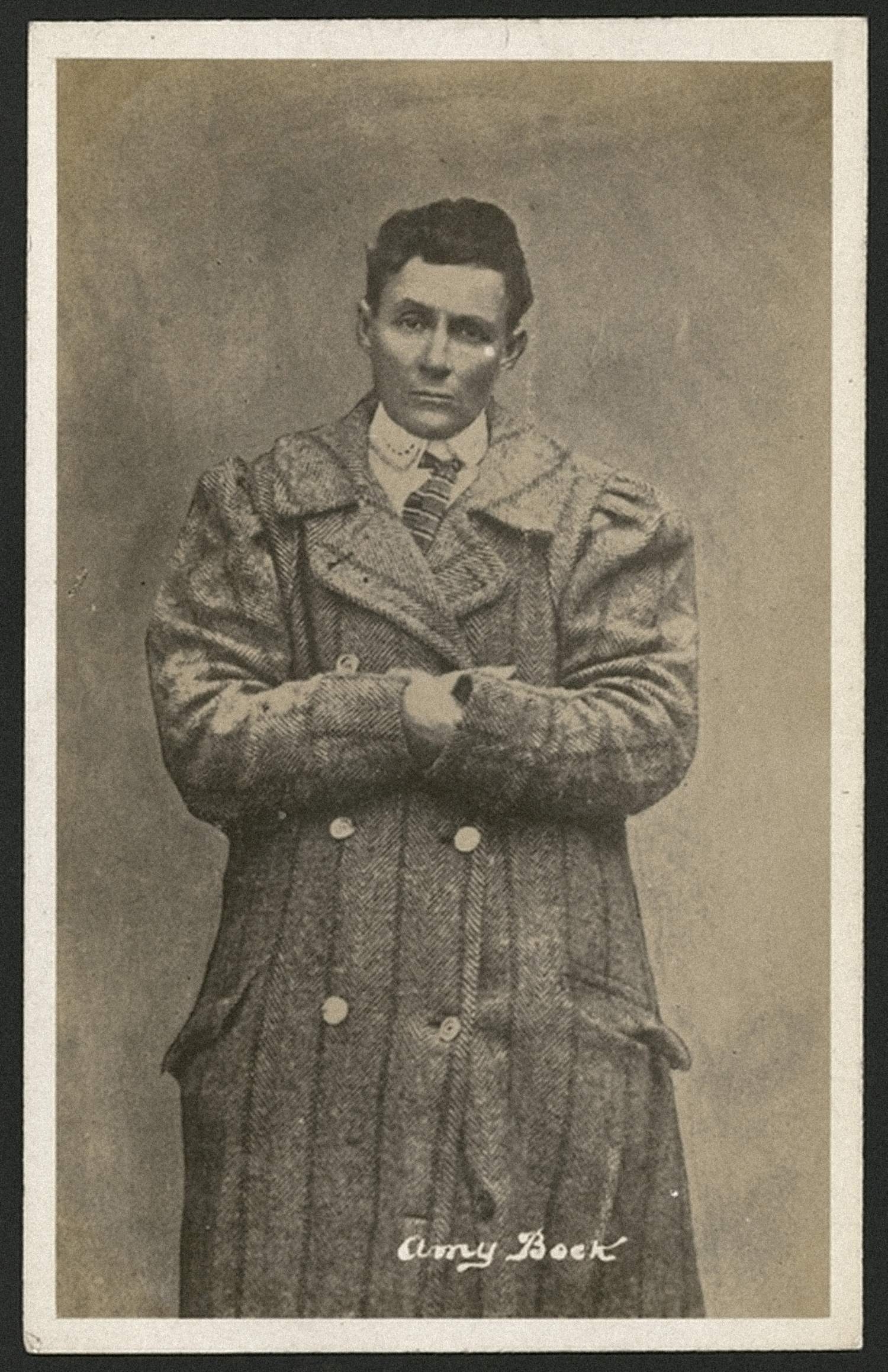
Amy Bock: gold digger extraordinaire
The exploits of the infamous Amy Bock as described in the Rakaia book are nothing short of amazing.
Amy was an experienced con artist. Newspaper reports from across the country predating her arrival in Rakaia paint her as a cunning, uncaring and kleptomaniacal woman with a penchant for fraud. Having come to Rakaia in 1904, the charismatic “Amy Chanel” soon weaseled her way into a cosy job as John Gardiner’s housekeeper. Unbeknownst to everyone, she had only just been released from jail in Christchurch.
John gave Amy a cheque for two pounds which was to pay an account in town, which she changed to twelve pounds and handed off to a man whom she asked to purchase goods for her. According to the Guardian, he did this and then gave her the goods and the change which she pocketed. Amy tried to blame the forgery on the man who helped her, but none were convinced and she copped a three year prison sentence, given her history.

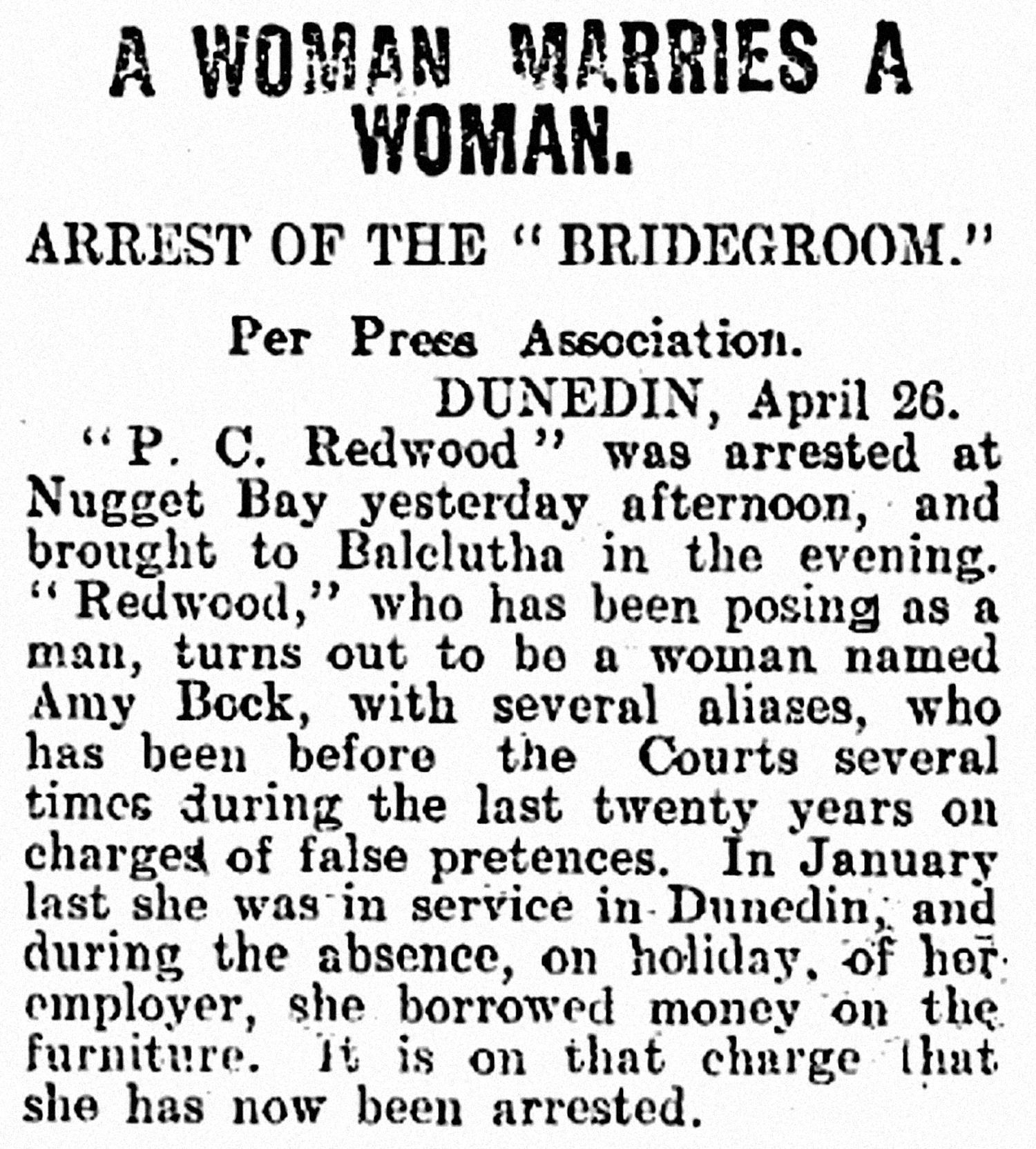
After her release, she continued to target unsuspecting men across Canterbury until she settled on an exciting new alias – that of a wealthy farmer named Percy Leonard Redwood. Amy posed as Percy for some time and seemed to really have gotten into character. She travelled to South Otago and caught the eye of Agnes Ottaway, a wealthy spinster.
“Percy” led Agnes on and they were wed in April 1909, but Amy could not keep the act up for much longer. Bad debts and suspicion eventually culminated in her arrest, leaving poor old Agnes to feel terribly embarrassed about the false marriage. Amy reportedly continued to swindle her way through life until her death near Auckland in 1943 at a ripe old age.
A more serious case
The shocking case of Thomas Dalziel’s murder stands in contrast to the relatively light-hearted antics of Amy Bock.
In 1887, a widow by the name of Martha Dalziel, who was suffering from alcohol abuse and some mental health problems, tried to drown herself and her son in the Rakaia following the death of her husband Tom. She worked as a housekeeper at the Dunsandel Hotel until she was asked to leave on account of her alcoholism, and after missing the train to Rakaia she was last seen walking there with her boy.
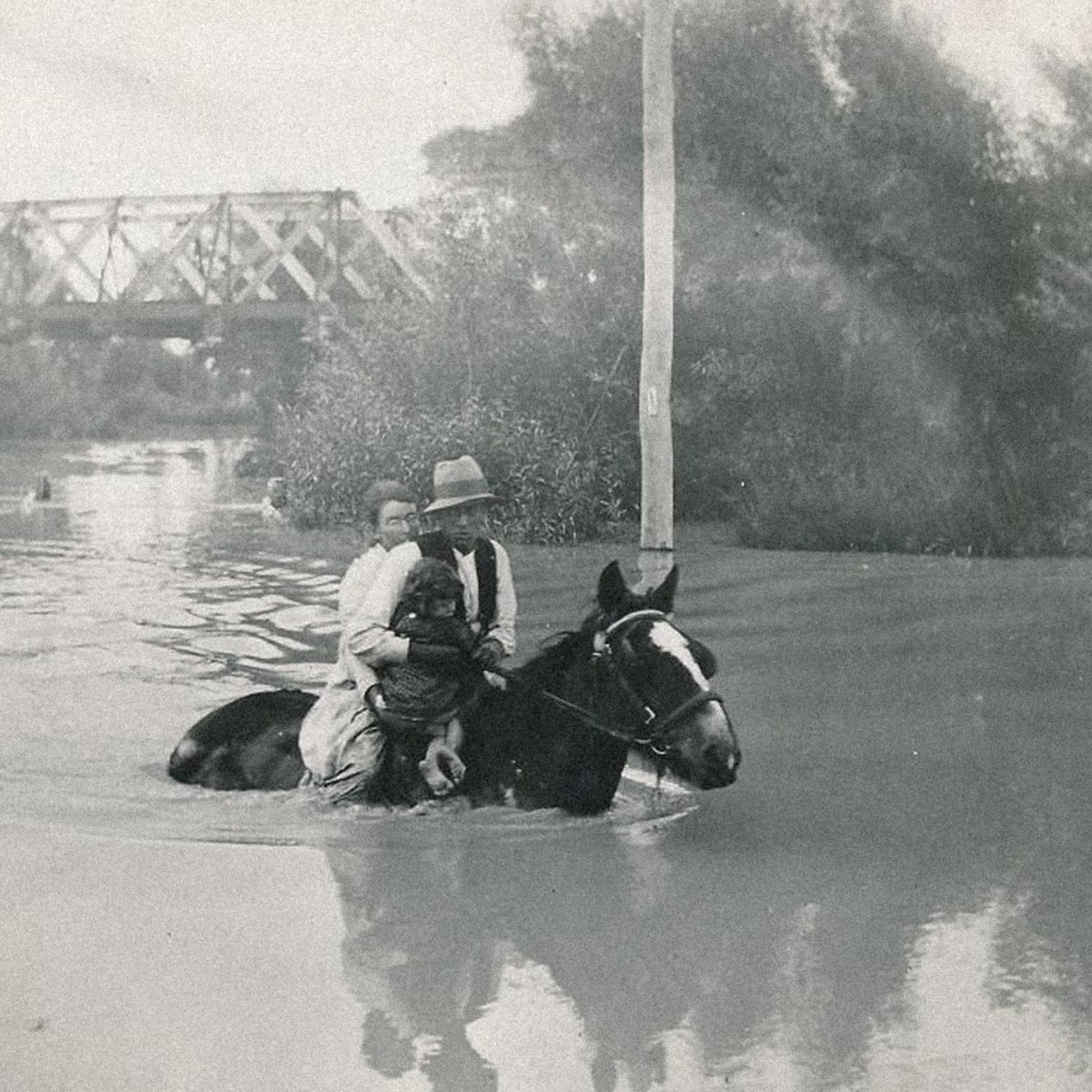
John Leebody, bridgekeeper, saw her carrying her son across the bridge at midday before she stopped in at the South Rakaia hotel for a few drinks. She then headed off and was spotted by Catherine Thompson walking across the paddocks. Catherine got her brother to come with her as she watched Martha head down to the water, and to their horror they witnessed Martha tie her son to herself and plunged into the water. Help was called for, and a local boy found them further downstream; the child had drowned but Martha survived and was sent to Christchurch and tried for her son’s murder.
The story of Martha and Thomas Dalziel is definitely one of the more sinister cases to come out of Rakaia, and while she reportedly loved her son very much she was suffering from a potent combination of sorrow and alcoholism that resulted in tragedy.

Setting an example
To finish on a lighter note, here is an amusing anecdote told by Eric Johnston in the Rakaia book reads as follows:
“The last Court I can remember, or anybody being in it, was a joker from Bankside. He was caught in the pub after hours or something, so the Constable decided to make a big case from this and set an example of this poor guy. They brought someone to represent him at the Court and they put the Constable in the box to give evidence. The defendant interviewed the Constable and asked, “Have you broadcast this around the town and discussed this case with two or three of your cobbers around the town Sir?” knowing full well the town was talking about the case. He had to answer yes so the case was dismissed! The Constable pulled on his hat and as he got out the door his hat knocked off and the whole court laughed-it was one hell of a joke!”
“Rakaia: Our History” is available for research by appointment at the Ashburton Museum.
This post was modified for this blog and was originally published in the Ashburton Guardian, 31 October 2020.