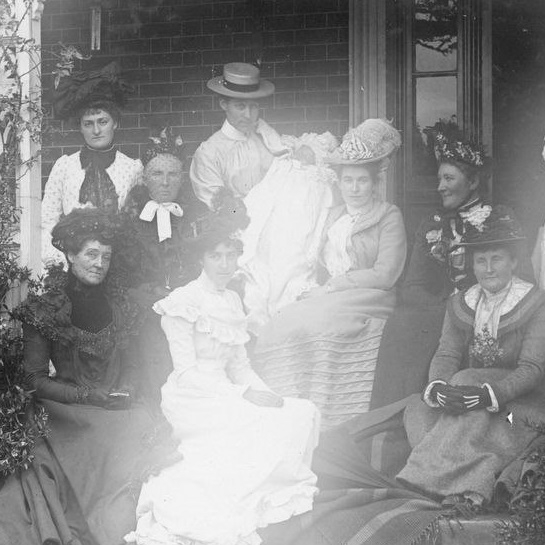
George Smith: The Horticultural Hotshot
In the early years of farming in Mid Canterbury, when European settlers were busy preparing the land for cultivation, growing fruit was not high on their list of priorities. Fruit had to be imported, and even early potatoes came from Ōtautahi Christchurch.
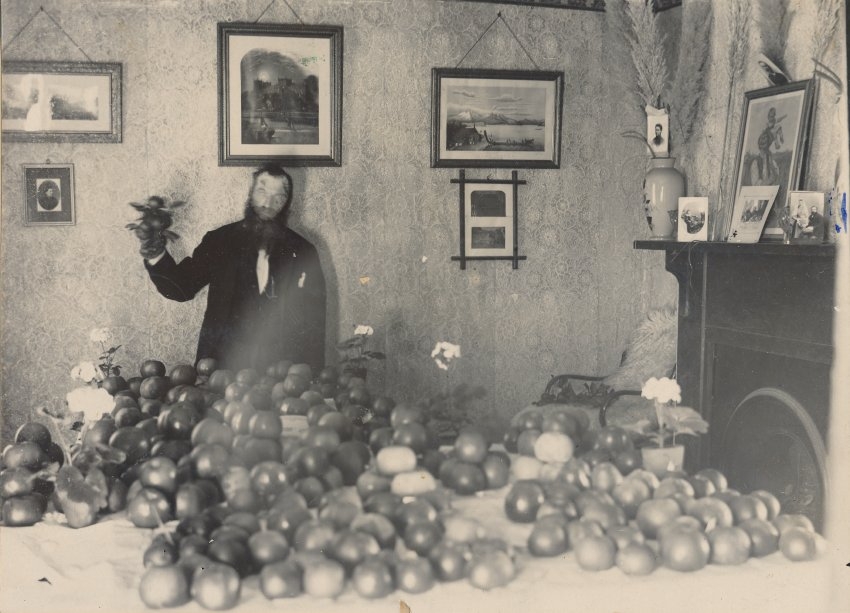
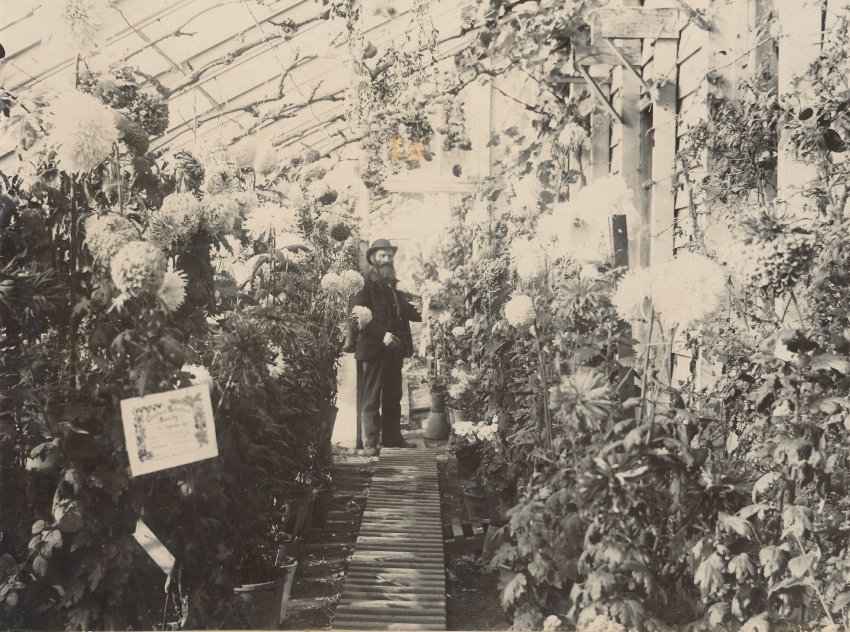
That was until the arrival of people like George T. Smith, who established the Smithfield Nursery and was well known for his prolific apple production, not to mention his dahlias and other sumptuous fruits and blooms.

George hailed from Rothiemay, in Banffshire. Born in 1831, he was one in a family of nine. Educated at the Fordyce Academy, he became an apprentice gardener and gained extensive experience in gardens throughout the United Kingdom. He developed significant expertise in propagation and orchard house culture, eventually serving as head gardener at Ainsely Hall in Cambridge.
In 1864, he decided to emigrate, and embarked on the vessel ‘British Empire’ bound for Lyttelton. Initially working at his trade, he soon caught the ‘gold fever’ and went prospecting at Jackson's Bay.
After nearly seven years of gold hunting, with fair success, including a stint at Gympie, in Queensland, he reverted to his former career, eventually purchasing fourteen acres of land on what is now Smithfield Road, Ashburton.
Bountiful blooms and exquisite fruit
George transformed what was originally deemed a wilderness into a thriving garden and orchard, where visitors flocked to enjoy the exuberant blooms, and to purchase young plants for development, along with apples, gooseberries, and other delights.

In an interview with George, published by the Ashburton Guardian in 1890, the reporter described his “sample room”, in which he displayed an opulent array of 146 varieties of apples. There was also a grape house, full of the Black Hamburg variety, and George also showed off his cider and wine operation; over the last year, his beverage production including 100 gallons (nearly 380 litres) of gooseberry wine.
Naturally, George Smith was a well-known and successful competitor in horticultural shows. His gooseberries were judged the heaviest in a hotly contested competition in 1882, weighing in at a whole ounce heavier than other competitors’ entries.
Not surprisingly, his trees were purchased by many a budding gardener in the area.
His giant strawberries may not have been particularly handsome to look at, being of “the knobby sort”, but they were enormous and much appreciated by Ashburtonians.
George sold his nursery to Mr. Tom Pitt in 1898.He died in 1924, at the age of 92, leaving significant bequests to philanthropic organizations, as well as the legacy of a significant number of fruit trees and plants, which would be enjoyed by Ashburtonians for generations to come.
Unless otherwise stated, photographs and research materials on this page are owned by the Ashburton Museum & Historical Society Inc. This post was modified for this blog and was originally published in the Ashburton Guardian, 20 March 2026.